
The convention and event industry learned a hard lesson over the past decade: merchandise delays kill momentum. When attendees leave empty-handed because shirts arrived three days after the event ended, or when sponsor logos appear on the wrong color hoodies, the damage extends beyond disappointed participants. Social media buzz evaporates, brand impressions vanish, and revenue opportunities close before they ever opened. The shift toward rapid-turnaround custom printing has fundamentally altered how event organizers approach apparel, transforming what was once a months-long procurement nightmare into a tactical tool deployed with precision timing.
The Old Timeline Versus the New Reality
Traditional screen printing operations required minimum orders of 144 pieces, four-week lead times, and upfront payment for setup plates that became useless the moment a sponsor changed their logo dimensions. Event coordinators ordered conservatively, often underestimating demand to avoid excess inventory. The result was a familiar pattern: popular sizes sold out by day one, while boxes of triple-XL shirts gathered dust in storage closets for years.
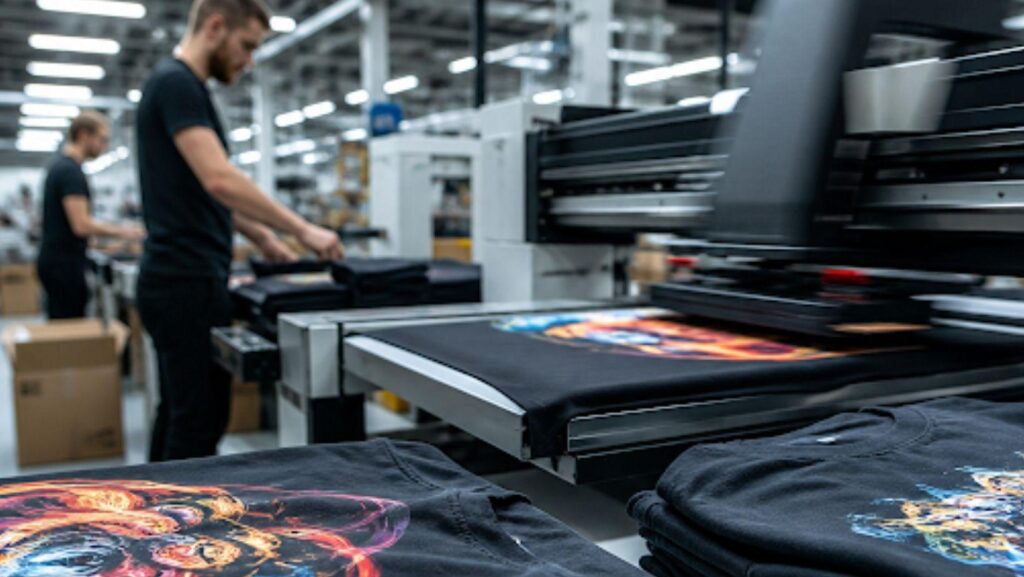
Digital printing technologies collapsed these constraints. Direct-to-garment machines eliminated setup costs and minimum quantities, while improved ink formulations reduced production time from weeks to hours. This technical evolution created operational flexibility that event planners had never possessed. A gaming convention could now order 50 staff shirts on Monday and receive them Thursday, then reorder 30 more in different sizes based on actual registration data rather than guesswork.
Why Gaming and Tech Events Led the Adoption Curve
The connection between rapid custom printing and the convention circuit became evident first in gaming and technology events, where merchandise functions as both revenue stream and community identifier. These gatherings attract audiences who expect speed and customization as baseline features, not premium upgrades. When Asian gaming conventions began offering personalized tournament gear printed on-site during competitions, Western event organizers took notice. The ability to produce commemoration shirts featuring finalist names within hours of a championship match created memorable experiences that generic pre-printed merchandise could never match.
Technology conferences followed suit, recognizing that hackathon participants wanted team shirts that reflected their actual project names, not placeholder graphics designed three months earlier. The shift represented more than convenience—it acknowledged that modern events are dynamic environments where the most valuable merchandise opportunities emerge in real time, not during the planning phase.
Operational Benefits for Multi-Day Event Coordination
Fast turnaround printing introduces tactical advantages that extend throughout the event lifecycle. Registration spikes no longer create uniform shortages because organizers can order additional volunteer shirts between the early-bird deadline and the event start date. Sponsor activations become more responsive when a corporate partner can approve a design on Wednesday afternoon and have branded staff apparel ready for a Friday booth opening.
The financial implications matter equally. Reduced inventory risk means organizers can experiment with more design variations without committing to bulk quantities that might not sell. A three-day convention can test different graphics each day, using actual sales data to inform reorder decisions. This approach transforms apparel from a fixed cost determined months in advance into a variable expense adjusted according to real demand signals.
Where Rapid Production Solves Persistent Problems
Event emergencies expose the value of production speed most clearly. When a keynote speaker confirms 48 hours before their session and requests 100 branded shirts for audience giveaways, traditional vendors respond with apologies. When a sponsor doubles their booth space on short notice and needs matching team uniforms, conventional printing timelines force compromises—generic shirts with adhesive name badges instead of professional custom apparel that reinforces brand identity.
Phoenix-area event organizers working with services offering same day shirt printing have adapted their planning approaches accordingly, building flexibility into schedules that previously operated on rigid timelines. Rather than finalizing all merchandise orders 45 days before an event, coordinators now split orders into early bulk production for guaranteed inventory and reserved capacity for last-minute additions. This hybrid model captures the cost efficiencies of advance planning while maintaining responsiveness for unexpected opportunities.
Technical Considerations That Event Planners Often Overlook
Speed without quality creates different problems than slow delivery. Direct-to-garment printing advancements have improved durability and color accuracy, but fabric selection still matters significantly. Cotton blends accept ink differently than polyester performance fabrics, and white underbase layers add production time that can affect same-day feasibility. Event coordinators should establish design specifications that balance visual impact with production constraints—complex gradients and photographic images require more processing than bold text and simple logos.
File preparation also influences turnaround speed. Vector graphics print more reliably than raster images, and RGB color spaces require conversion to CMYK for accurate reproduction. Organizers who submit print-ready files with proper resolution and color profiles receive faster service than those uploading low-resolution screenshots that require designer intervention. These technical details rarely appear in promotional materials, but they determine whether a rush order succeeds or disappoints.
Building Speed Into Event Merchandise Strategy
Strategic use of rapid printing starts with identifying which apparel categories benefit most from flexibility. Core staff uniforms and early-bird merchandise still warrant advance bulk orders that capture volume discounts. Limited-edition items, sponsor activations, and commemorative designs tied to specific moments gain more value from on-demand production that responds to actual circumstances rather than projected scenarios.
Event organizers should also consider the merchandising calendar itself. A multi-day conference can introduce new designs each morning, creating scarcity and urgency that drive higher per-attendee sales. Gaming tournaments can offer finalist shirts produced overnight, capitalizing on emotional highs when purchasing intent peaks. These tactics require coordination with printing partners who understand event logistics and can deliver to venue loading docks on tight schedules, but the revenue potential justifies the operational complexity.
The Sustainability Question That Speed Raises
Faster production does not automatically mean more waste, though the relationship requires deliberate management. On-demand printing reduces overstock and unsold inventory that eventually reaches landfills. However, rush orders often prioritize speed over optimal batch sizes, potentially increasing per-unit energy consumption and transportation emissions if multiple small deliveries replace consolidated shipments.
Event organizers balancing speed with environmental responsibility should establish minimum order thresholds for rush production and consolidate pickups whenever possible. Choosing local printing partners reduces transportation distances, while water-based inks and pre-consumer recycled fabrics address material sustainability without sacrificing turnaround speed. These considerations matter increasingly to attendees who expect events to demonstrate environmental awareness across all operations, including merchandise sourcing.
What Rapid Turnaround Means for Future Event Models
The availability of same-day custom printing enables event formats that previously seemed impractical. Pop-up conventions with two-week planning cycles can now include professional merchandise programs. Hybrid events can produce physical apparel for in-person attendees while offering digital design files for remote participants to print locally. Community-organized gatherings gain access to professional branding tools without the financial barriers that bulk minimums once imposed.
This democratization of custom apparel production shifts competitive advantages in the event industry. Organizers who master rapid-response merchandise strategies create memorable experiences that exceed attendee expectations, while those locked into traditional procurement models struggle to match the flexibility that modern audiences increasingly expect as standard rather than exceptional.